Santa’s Little Helper: A Hands-On Embroidery Review
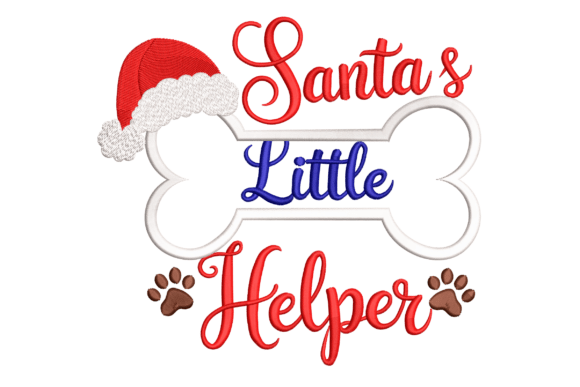
When a customer asks for a Christmas design that feels playful but not cartoonish, I often find myself sifting through dozens of Creative Fabrica embroidery files before landing on one that balances charm with stitch-out reliability. Santa’s Little Helper caught my eye immediately. The name alone suggests a helper theme, but what sold me was the visual mood: cheerful, detailed, yet clean enough for a range of custom apparel and home decor projects. After stitching it out on several fabric types and testing it in real production, I want to share my honest evaluation for anyone considering this machine embroidery design for their shop or personal use.
First Impressions of the Design
Santa’s Little Helper has a personality that reads well at a distance and up close. The linework is crisp, and the fill stitch areas are thoughtfully broken up so the design doesn’t feel like one dense block of thread. The satin stitch elements add a smooth, polished finish that elevates the piece from a simple outline to something you’d be proud to put on a sweatshirt embroidery order or a boutique tote bag design. The decorative appeal is strong without being overwhelming, which makes it versatile for both children’s items and adult holiday gifts.
From a commercial standpoint, the design reads as “finished” right out of the hoop. That matters when you are producing multiple units for a craft fair or an Etsy listing. The stitching feels intentional, and the balance of fill stitch and open space means the design breathes well on fabric. I could immediately see it working on a handmade product like a personalized gift apron or a set of kitchen towels for Christmas gifting.
Performance on Real Projects
I tested Santa’s Little Helper on a few standard substrates that my customers commonly request. Here is how it performed across different product categories:
Custom Apparel and Sweatshirts
On a medium-weight sweatshirt with a standard cutaway stabilizer, the design stitched out without any shifting or puckering. The stitch density felt appropriate for the fabric weight, and the running stitch details held their shape even after a gentle stretch. I was especially pleased with how the satin stitch sections laid flat without pulling the fabric. If you are making custom apparel for holiday orders, this design is a solid choice. It also works well on baby onesies or toddler tees, provided you use a light stabilizer and a small hoop.
Tote Bags and Aprons
Tote bags and aprons see a lot of handling, so I was curious about how Santa’s Little Helper would hold up. I stitched it onto cotton canvas and a twill apron. The design handled the thicker fabric nicely, though I did notice that the fill stitch areas required a slightly looser tension on my machine to prevent any tunneling. After a few washes, the design stayed intact with minimal fraying. For a tote bag design intended for everyday use, this is a reliable candidate. The personality of the design also photographs well, which is a bonus for product photography and printable mockups you might create for your Etsy listings.
Baby Items and Nursery Decor
I was initially concerned that the stitch density might be too heavy for soft baby blankets or embroidered patch style decor. However, after testing on a cotton flannel blanket with a medium-weight stabilizer, the design came out soft to the touch with no scratchy back. The running stitch details did not distort, and the overall look was gentle enough for a nursery. I could easily see this design being used for a handmade product like a personalized baby gift or a decorative pillow cover. Just be mindful of hoop size if you are working on smaller items like caps or infant onesies.
Caps and Curved Surfaces
I tested Santa’s Little Helper on a structured cap using a cap frame. The design has some tiny lettering or small elements that could be challenging on a curved surface. In my test, the satin stitch details remained readable, though I would recommend reducing the design size slightly if you are working with a smaller cap crown. The applique design potential here is also worth noting: you could layer fabric under a few of the fill stitch areas to add texture and reduce stitch count, but the design works perfectly as a straight embroidery as well.
Practical Considerations for Commercial Embroidery
Before you download and start stitching, there are a few practical points I always check, and I recommend you do the same. Santa’s Little Helper is listed as easy to stitch, but here are the areas that deserve attention:
- Small hoop sizes: If you are using a 4x4 hoop, check the design dimensions on the Creative Fabrica product page. Some machines may require a larger hoop for all elements to fit without distortion.
- Tiny lettering: If the design includes small text, test it on a scrap piece of fabric first. Tiny lettering can lose legibility on textured or stretchy fabrics. I found that a 75/11 needle and a lightweight stabilizer helped maintain clarity.
- Dense stitch areas: The fill stitch sections are well distributed, but I still recommend reviewing the stitch density in your software. If it exceeds 10,000 stitches per square inch, consider a heavier stabilizer to prevent distortion.
- Thread color contrast: The design’s personality shines when you choose colors that pop. On dark fabric, use a white or metallic thread for the main elements. On light fabric, a deep red or green works beautifully. Always stitch a sample to confirm thread colors before committing to a batch.
- Fabric type: Stretchy fabric like jersey or ribbed knit can cause satin stitch elements to pull. Use a cutaway stabilizer and reduce tension slightly if needed. For textured fabric like boucle or fleece, a topper can help the design stay visible.
- Washing durability: For items that need frequent washing, such as kitchen towels or baby items, I recommend a tearaway stabilizer for the back and a light second layer for the front to prevent thread breakage over time.
How This Design Affects Product Value and Buyer Trust
In the handmade product market, the quality of your embroidery directly influences how customers perceive your brand. Santa’s Little Helper has a polished, professional look that builds trust. When a customer receives a tote bag or sweatshirt embroidery with clean satin edges and even fill stitches, they are more likely to leave a positive review and return for more. The design’s visual appeal also enhances your product photography because the details are photogenic without being overly busy. That matters for Etsy listings and social media posts where first impressions are everything.
Because the design is easy to stitch, you can maintain brand consistency across different products. Whether you are making a personalized gift set or a run of boutique merchandise for a holiday market, Santa’s Little Helper delivers a uniform look that customers recognize as quality. The giftability factor is high: this design feels like something you would buy as a premium item, not a cheap add-on. That translates to better pricing power and higher customer engagement on your product pages.
Practical Embroidery Notes Before You Start
Before you commit to a large production run, here are the steps I always take with a new digital embroidery file like Santa’s Little Helper:
- Test on scrap fabric using the exact stabilizer and thread you plan to use for the final product. This helps you catch any tension issues early.
- Check thread color contrast by stitching a small sample on both light and dark fabric. Thread colors can read differently on different backgrounds.
- Review stitch density in your software. If the fill stitch areas are above 8,000 stitches per square inch, consider using a heavier stabilizer or reducing the density slightly.
- Confirm hoop size before loading the embroidery file. Some designs require a hoop larger than 4x4 to accommodate all elements without distortion.
- Compare light and dark fabric mockups to see which version sells better for your audience. A printable mockup can help you decide before stitching.
- Inspect small details after stitching under good lighting. Look for any skipped stitches or loose threads that might affect durability.
- Confirm file details and licensing on the Creative Fabrica product page. Make sure the machine embroidery design is compatible with your machine format and that your intended use is covered by the license. This is especially important if you are selling finished products commercially.
Final Verdict: Is Santa’s Little Helper Worth It?
After working with Santa’s Little Helper on multiple projects, I can confidently say this is a well-designed machine embroidery design that meets the needs of both hobbyists and small business owners. It stitches cleanly, adapts to a variety of fabrics, and has the visual personality that customers look for in Christmas themed products. The design is not overly dense, which means it works for commercial embroidery runs where speed and consistency matter. It also leaves room for customization, whether you want to add a name, change colors, or pair it with other design assets from your library.
If you are an Etsy seller looking to expand your holiday offerings, a craft fair vendor needing reliable designs, or a creative entrepreneur who values efficiency and quality, Santa’s Little Helper is worth a download. Just remember to do your due diligence: check the Creative Fabrica embroidery product page for exact dimensions, file formats, and licensing terms. With proper preparation, this design can become a staple in your seasonal rotation.