Rounded Square Satin Stitch Appliqué Review for Merch
In my years consulting with apparel decorators and handmade brands, I’ve learned that the foundation of any great custom apparel item is often overlooked. Everyone obsesses over the intricate logo or the trendy font, but the shape that frames it? That’s where the magic happens. Today, I’m reviewing the Rounded Square Satin Stitch Appliqué as a dedicated machine embroidery design for small business merch.
While it’s categorized under Embroidery backgrounds, I view it as a foundational embroidery structure for brand identity. Let’s cut to the chase: this isn’t just a filler. This digital embroidery file offers a structured canvas that can either make or break your custom apparel line. Whether you are an Etsy seller creating embroidered patches or a café owner looking for apron embroidery, the way this shape behaves on fabric is critical. Here is my hands-on review from a professional designer’s perspective.
First Impressions: Clean, Versatile, and Business-Ready
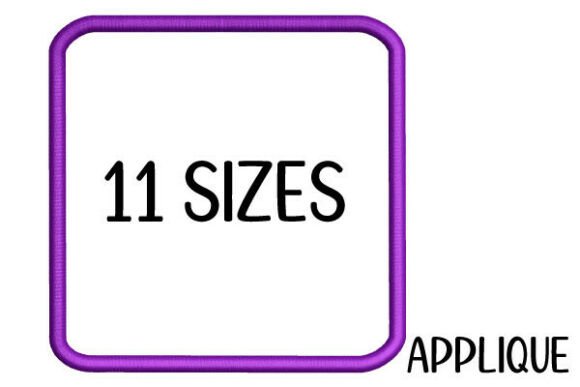
The first thing I noticed about this embroidery file is the decision to use a rounded square combined with a clean satin stitch border. Right away, this tells me the digitizer understands how shapes communicate value. A strict square can feel rigid and industrial. A circle feels soft but limiting. The rounded square strikes a balance between professionalism and approachability, which is exactly what most handmade brands and local businesses need.
The satin stitch border is a huge plus. It provides a definitive, premium edge that stops the fabric from fraying and gives the embroidered patch a finished, retail-ready look. Because it comes in 11 sizes, you can use the exact same design assets to create a cohesive look across a wide range of items. This is a massive time-saver for commercial embroidery workflows. You do not need to re-draw the shape for every product; you simply scale the file.
My initial reaction was that this file feels both modern and classic. It is not a trendy shape that will look dated in two years. It is a staple that can support a brand identity for the long haul. For a product designer or merch creator, that kind of longevity is invaluable.
Real Business Use Cases for the Rounded Square Appliqué
Where does this machine embroidery design truly shine? Let’s look at specific custom apparel and product scenarios I see my clients using daily:
- Embroidered Patches: This is the most obvious use. The rounded square acts as the perfect base for any logo or text. I would recommend this to any small business looking to create removable branding for jackets, backpacks, or staff uniforms. The satin stitch edge eliminates the need for a merrowed border, giving it a more modern, handmade product feel.
- Chest Logo & Cap Embroidery: For apron embroidery or staff uniforms, the rounded square sits beautifully on a left chest. The softer corners prevent the "stuck on" look that sharp squares have. For cap embroidery, careful sizing is required, but the smaller sizes work wonderfully on side panels or the front crown.
- Tote Bag Design: A larger version of this shape creates a stunning central motif for a tote bag design. It anchors the brand mark without overwhelming the natural fabric texture of the canvas. I recently consulted for a local bookshop that used this exact shape for their totes, and the results were incredibly professional.
- Product Packaging Accents: Using this as a label for a handmade product adds a tactile luxury that printed labels cannot match. Imagine a florist attaching a small version of this to a bouquet wrap, or a pet brand adding it to a collar. It signals quality before the customer even opens the product.
This file fits perfectly into the workflow of a small business that wants to look established without hiring a dedicated digitizer. It provides instant structure to your branded merchandise.
Critical Design Considerations and Where to Be Careful
No review is complete without a reality check. As an experienced embroiderer, I know that a satin stitch can be a double-edged sword. Here are the specific areas where you need to exercise caution with this digital embroidery file:
Managing Stitch Density and Fabric Texture
A dense satin stitch is durable, but it can cause puckering on lightweight fabrics. Always check the stitch density of your specific file. If you are putting this on a delicate blouse for a boutique uniform, you may need a lighter weight stabilizer or even a tear-away backing. On rough fabric texture like canvas or denim, the satin stitch might sink in. A layer of stabilizer or a slight underlay adjustment is critical here to keep the border crisp.
The Challenge of Curved Surfaces and Small Sizes
Cap fronts are notoriously tricky. A perfectly flat rounded square will look distorted if it spans too far across the curved seam of a cap. I recommend sticking to the medium or smaller sizes for cap embroidery to avoid registration issues. Similarly, if your logo has tiny text or very fine lines, test it thoroughly in the smallest size before committing to production. The hoop size you choose will also affect how the fabric lays flat.
Durability for High-Wash Items
If this is going on staff uniforms or aprons that will see frequent washing, the satin stitch edges must be tight. Loose satin edges catch and fray. Make sure your digitizer uses proper pull compensation. A good rule of thumb is to run a test stitch and then throw the test piece in the wash. If the finished product holds up, you are good to go.
How This Design Elevates Brand Identity and Customer Trust
In the world of small business merch, consistency is king. Using this rounded square shape across your custom apparel, patches, and packaging creates a visual system. Customers recognize the shape even before they read the text. A clean, consistent finished product builds customer trust.
This design feels premium but not pretentious. It feels professional but not cold. For a handmade brand or a local creative studio, this is an ideal middle ground. It signals to the buyer that you pay attention to the details. When a customer receives a tote bag design with a perfectly stitched border, they perceive the value as higher. It moves the item from a simple giveaway to a desirable piece of merchandise.
One trend I am particularly happy to see is the return of structural appliqué in modern branding. It moves away from the mass-produced, heat-pressed vinyl look and leans into a tactile, handmade aesthetic. The Rounded Square Satin Stitch Appliqué fits this trend perfectly. It tells a story of craftsmanship and care—two things that instantly boost brand identity and customer loyalty.
Practical Embroidery Designer Notes for Production
Before you hit "purchase" or send this to production, here is my standard checklist for any commercial embroidery project using a digital embroidery file like this one:
- Test in Black and White First: You need to see the structure without the distraction of color. This reveals any issues with the machine embroidery design spacing and tension.
- Check Thread Color Contrast: The satin stitch border relies on contrast. Test your chosen thread colors against the base fabric to make sure the shape pops. A tonal stitch on a tonal fabric will make your hard work invisible.
- Inspect Spacing for Internal Elements: Ensure there is enough clearance between the satin stitch border and your internal logo text. You don't want text touching the dense border, as it can get lost in the density.
- Confirm Hoop Size Requirements: Because this comes in 11 sizes, verify which hoop size is required for each. Hooping larger than necessary wastes stabilizer and can cause registration issues.
- Test on Actual Fabric: Run a test stitch on the exact fabric texture you will use for the finished product. Tote canvas behaves differently than a performance polo shirt or a structured cap.
- Create a Printable Mockup: Use the design assets to create a printable mockup for your client. It helps them visualize the scale of the embroidered patch on the actual product before you sew a single stitch.
- Verify Commercial Licensing: The product description provides instructions but does not explicitly state the license terms. It is essential to confirm that your specific use counts as commercial embroidery under the file’s license. This protects both you and your client.
These steps are non-negotiable if you want a finished product that reflects well on your business. The beauty of a digital embroidery file is that it is infinitely repeatable, but only if your initial setup is correct.
Final Verdict: A Smart Asset for Brand Builders
This machine embroidery design is more than just a background; it is a versatile, business-savvy asset. For small business owners, Etsy sellers, and apparel decorators, the Rounded Square Satin Stitch Appliqué offers a reliable framework for building a cohesive brand identity. Its clean satin stitch border and range of sizes make it an excellent choice for everything from embroidered patches to tote bag designs.
Just remember to pay attention to stitch density, fabric texture, and hoop size requirements. Overlooking these technical details is the fastest way to turn a great digital embroidery file into a frustrating production experience. Used correctly, this shape will elevate your merchandise and help your business look established, professional, and detail-oriented. It earns a strong recommendation from me for any merch creator looking to streamline their workflow and elevate their brand.