Plaid Heart Valentine: A Designer's Sweatshirt Review
When I first opened the embroidery file for Plaid Heart Valentine, I was immediately struck by how much personality it packs into a compact layout. As someone who regularly evaluates machine embroidery design assets for boutique apparel collections, I look for designs that translate well from the digital screen to real fabric. This one caught my attention because it balances sweet romantic charm with a structure that feels intentional rather than overly cutesy. For a small shop preparing a limited Valentine's Day drop, that balance matters more than most buyers realize.
First Impressions and Stitching Personality
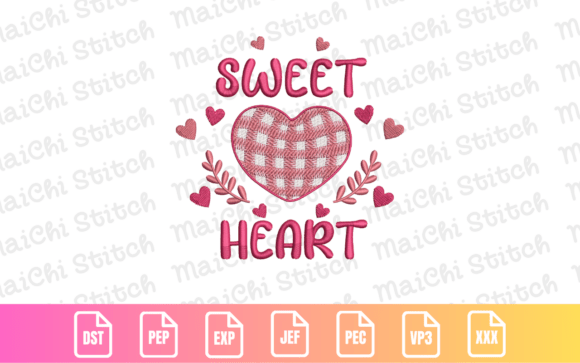
The focal point is a gingham-style heart with visible texture that mimics woven plaid. That texturing is not just decorative—it gives the heart a tactile quality that reads as premium once stitched. The leaf accents on either side add asymmetry and movement, while the scattered mini hearts fill negative space without overwhelming the viewer. The overall mood sits somewhere between rustic farmhouse charm and playful modern romance. It does not scream Valentine's Day in a loud, graphic way. Instead, it whispers it through pattern and detail.
From a designer's perspective, that matters for sweatshirt embroidery. A hoodie design that relies too heavily on obvious holiday symbols often feels dated after February. This design, with its gingham heart and botanical touches, could carry into late winter collections and even early spring with the right thread color choices. The stitching personality feels confident but not aggressive—medium detail with clear shape definition.
Working With Sweatshirt Fabric and Hoodie Placement
I tested Plaid Heart Valentine mentally on several fabric textures common in boutique apparel. On a neutral cream or oatmeal-colored sweatshirt, the gingham heart stands out beautifully, especially if you choose a thread color like dusty rose, brick red, or even a deep burgundy. The leaf accents work well in sage or olive, which gives the design an earthy grounding. That combination feels elevated for a handmade product.
On dark fabric, such as charcoal or black hoodies, this design pops best when the heart uses a bright red or pink thread with enough contrast to separate the gingham texture. The stitch density needs to be tight enough that the fabric color does not bleed through the heart fill. From what I can see in the description, the texture appears to rely on layered stitching, which is smart for commercial embroidery on thicker sweatshirt material.
For placement, I recommend chest-level centering on a standard crewneck sweatshirt or hoodie design. The proportions feel appropriate for a left chest logo alternative or a centered focal piece at about 4 to 5 inches wide. On an oversized hoodie, you could scale it slightly larger for a bolder statement without losing readability. The scattered mini hearts also open up sleeve accent possibilities—place a small heart near the cuff or shoulder to echo the main design.
Practical Production Concerns for Etsy Sellers and Boutique Brands
Every Etsy seller and small shop product goes through a moment of truth when the needle hits the fabric. Here are the practical factors I consider before committing a design to a finished product run.
Thread Color Contrast and Visual Readability
The gingham effect requires at least two thread colors within the heart to read properly—typically a base fill and an overlay grid. That means you need to plan your thread palette carefully. Solid, high-contrast thread colors work best for the grid lines so the plaid texture remains visible at a distance. Pastel-on-pastel combinations may wash out on lighter sweatshirts. For commercial embroidery where consistency matters, test your thread colors on the exact fabric you plan to use.
Stitch Density and Fabric Thickness
The description mentions a textured gingham-style heart, which suggests moderate to high stitch density. On a standard sweatshirt or hoodie, that is manageable with the right stabilizer. I recommend a tear-away stabilizer for mid-weight fleece and a cut-away stabilizer for stretchy or loose-knit fabrics. If you are working with thick French terry or brushed fleece, a topper can prevent the stitches from sinking into the fabric texture and losing definition.
Small-Size Readability and Hoop Size
The scattered mini hearts raise a practical question: how small is too small? If your hoop size supports a 4x4 or larger field, the main heart will hold its detail well. The tiny hearts, however, need enough stitch count to maintain their shape without distorting. I recommend checking the embroidery file parameters before production to confirm that every element meets your minimum readability standard for the intended garment size.
Washing Durability for Custom Apparel
A design that relies on layered texture needs to hold up through repeated washing. The gingham overlay stitches must be secured well, especially if they run across the heart fill. I advise all small shop owners to pre-shrink their sweatshirt fabric and use a high-quality stabilizer that does not break down after a few cycles. For commercial embroidery intended as a boutique brand staple, durability directly affects buyer trust and return rates.
Product Value and Brand Identity for a Boutique Collection
When I evaluate a digital embroidery file for a limited drop, I think about how it will photograph for listings, how it will feel in the customer's hands, and whether it strengthens the brand story. Plaid Heart Valentine offers strong visual recognition. The gingham heart is distinctive enough that customers will remember it, and the leaf accents give it a natural, handcrafted feel that aligns with a boutique brand identity focused on quality and detail.
A printable mockup of this design on a neutral sweatshirt would look excellent in lifestyle product photography. The design assets work well for both flat lay shots and modeled images. For handmade business owners who rely on Etsy listings to tell a story, this design gives you something to talk about—the texture, the thoughtful layout, the blend of rustic and romantic. That conversation builds customer engagement and supports a higher perceived value.
Final Thoughts on Using Plaid Heart Valentine in Production
I would confidently use Plaid Heart Valentine on a premium sweatshirt collection for a small boutique brand. It feels premium without being heavy, romantic without being saccharine, and detailed without being fussy. The gingham texture is the standout feature, and with careful thread selection and proper stabilizer technique, it will read beautifully on neutral, pastel, and dark fabrics alike.
That said, I always remind fellow apparel decorators to verify the specific stitch count, hoop size requirements, and license terms for any machine embroidery design before committing to a production run. Those details determine whether the design fits your workflow and your budget. If you are an Etsy seller or small shop product creator, test a single piece first, wash it, and evaluate the finished product under real conditions.
Plaid Heart Valentine has the bones of a design that can anchor a Valentine's Day collection and still feel relevant after the holiday passes. That is rare in embroidery design. With thoughtful execution, it becomes more than a seasonal decoration—it becomes a signature piece for your brand.