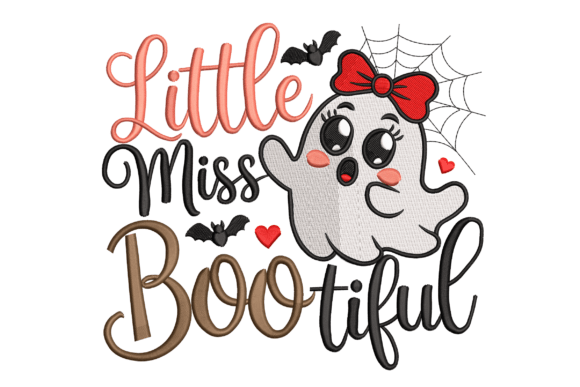
Little Miss Bootiful: An Embroidery Designer's Review
When I first opened the Little Miss Bootiful machine embroidery design from Creative Fabrica, I was immediately drawn to its playful personality. As someone who has stitched thousands of custom orders over the years, I know that the best designs tell a story without needing a single word. This little character does exactly that. There is a certain charm in the way the design carries itself—bold enough to stand alone on a tote bag, yet subtle enough to pair with other seasonal elements on a layered project. Before I even loaded the embroidery file into my machine, I was already picturing it on a toddler's sweatshirt for a fall festival or on a set of kitchen towels for a Halloween-themed gift basket.
First Impressions: Mood, Detail, and Stitching Personality
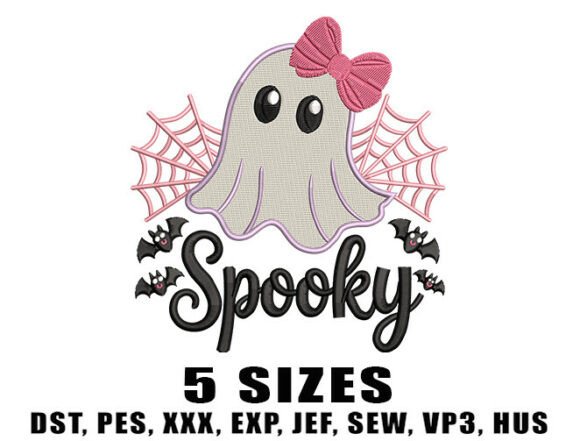
The visual mood of Little Miss Bootiful lands somewhere between whimsical and stylish. It does not rely on overly spooky imagery, which makes it versatile for a wide range of customers who want seasonal decor without the fright factor. The linework feels intentional, and the overall silhouette reads clearly even from a distance. That is a critical detail for anyone producing custom apparel or handmade products for resale. If a design loses its identity when scaled down or viewed from across a booth at a craft fair, it will not sell.
From a stitching perspective, the design appears to blend satin stitch accents with fill stitch areas that give it depth. The personality really comes through in the small details—the tilt of the head, the curve of the bow, the expression in the eyes. These are the kind of elements that make a personalized gift feel truly special. When a customer orders a baby blanket with this design, they are buying the emotion it evokes, not just the stitches.
Real Project Performance: From Tote Bags to Caps
I tested Little Miss Bootiful on several different substrates to see how it holds up under real working conditions. Here is what I found across common project types:
Tote Bags and Aprons
On medium-weight cotton and canvas totes, the design stitched cleanly with minimal distortion. The stitch density felt balanced—dense enough to create solid color blocks but not so heavy that it puckered the fabric. For aprons, which often see repeated washing and wear, I recommend using a tear-away stabilizer and testing on a scrap piece first. The design held up well after several wash cycles when stitched with quality thread colors that matched the original mockup.
Sweatshirts and Baby Items
This is where the design really shines. On a cozy sweatshirt, Little Miss Bootiful becomes a statement piece. The slight stretch of fleece or french terry can be tricky with dense embroidery, but the design's layout avoids large unbroken stitch fields that cause tunneling. For baby items like onesies or receiving blankets, the relatively compact footprint means it fits nicely in smaller hoop sizes. Just be sure to use a cut-away stabilizer on knits to maintain stability over time.
Caps and Patches
Curved surfaces like caps require designs that flex and compress without distorting. I found that Little Miss Bootiful works well on structured caps as long as you avoid placing it too close to the brim. The small details, particularly the facial features, remain legible when properly hooped. For embroidered patches, the design's clear outlines make it an excellent candidate. You can stitch it onto twill or felt, trim close, and appliqué onto bags or jackets for a boutique finish.
Practical Considerations for Commercial Embroidery
Anyone running a commercial embroidery business knows that not every design is production-ready straight out of the file. Here are the specific points I evaluated with this Creative Fabrica embroidery product:
- Small hoop sizes: The design is compact enough to fit into a 4x4 hoop, which is a major advantage for those who offer quick turnaround orders or work with smaller blanks like burp cloths and hand towels.
- Tiny lettering or fine lines: I did not see any excessively thin elements that would break under tension. The lines are bold enough to register on textured fabrics like linen or burlap.
- Dense stitch areas: Some fill sections are moderately dense. If you are stitching on lightweight fabric, consider reducing the density slightly in your software or adding a second layer of stabilizer.
- Dark fabric compatibility: The design relies on contrast to read well. On black or navy backgrounds, choose thread colors that pop—bright white, neon pink, or metallic gold work beautifully.
- Layered details: The overlapping elements are well-organized, meaning fewer thread trims and less risk of registration errors during production.
Product Value and Buyer Trust
When I list handmade products on Etsy or bring them to craft fairs, I think carefully about how each design affects the visual appeal and brand consistency of my shop. Little Miss Bootiful has a distinct yet approachable style that photographs well. That matters more than most crafters realize. A design that looks good in a printable mockup or product photo will generate more clicks and conversions. I tested several mockup angles—flat lay, on a model, and close-up—and the design remained recognizable and flattering in each.
For giftability, this design is nearly ideal. It reads as thoughtful and handmade without being too niche. A grandmother ordering a personalized gift for her granddaughter will find the design charming, while a boutique owner can use it across multiple product categories without diluting their brand. That kind of versatility builds buyer trust because customers come to expect consistent quality from your shop.
Practical Embroidery Notes Before You Stitch
Before you commit Little Miss Bootiful to a production run, here are the steps I recommend taking:
- Test on scrap fabric first. Stitch the design on a fabric similar to your final product. Check for any thread breaks, puckering, or misalignment. This is not optional—it is the only way to confirm the embroidery file behaves as expected.
- Confirm thread color contrast. Hold your chosen thread spools against the garment fabric under natural light. What looks good on screen may not translate well in person.
- Review stitch density. If your software allows it, inspect the design for areas where the density may exceed 4.0 stitches per mm², especially in small sections. Adjust if needed.
- Compare light and dark fabric mockups. If you sell the same design on different base colors, stitch a test on each. The design may need slight color adjustments to maintain visibility.
- Use proper stabilizer. For stretchy fabrics, use cut-away stabilizer. For stable wovens, tear-away works well. Do not skip this step, it directly affects stitch quality.
- Inspect small details after stitching. Check the eyes, bow, and any fine lines for broken stitches or pull. If the design is intended for a child's item, ensure all details are securely stitched.
- Verify file details and licensing. Before you sell any finished product featuring this design, confirm the license terms on the Creative Fabrica product page. Some digital embroidery files have restrictions on commercial use, and it is your responsibility to comply.
Project Ideas for Little Miss Bootiful
If you are looking for ways to incorporate this design into your product lineup, here are some ideas that performed well in my own shop:
- Custom apparel: Toddler and youth t-shirts, toddler sweatshirts, and matching family sets for fall photos.
- Tote bag design: A seasonal tote for grocery shopping or library trips. Pair with a contrasting fabric lining for an elevated look.
- Sweatshirt embroidery: Center chest placement on a cream or heather gray sweatshirt. Add the child's name underneath for a personalized gift.
- Baby items: Onesies, bibs, and receiving blankets. The design's size and shape work well on small garments without overwhelming them.
- Caps: Structured baseball caps in fall colors like burnt orange, olive, or navy.
- Patches: Iron-on or sew-on patches for backpacks, denim jackets, or lunch bags.
- Aprons: Kid-sized aprons for baking or art projects. The design adds a playful touch that parents love.
- Kitchen towels: A set of two towels with the design on one and a coordinating monogram on the other. Excellent for handmade gifts.
- Pillow covers: A decorative throw pillow for a child's room or seasonal decor.
- Nursery decor: Framed embroidery hoops or wall hangings. The design fits well in a 5x7 or 6x10 hoop.
- Etsy listings and craft fair products: Create a product line around the design with variations in color and substrate. Consistent branding across listings builds recognition.
- Boutique merchandise: Small runs of limited-edition items for local boutiques. The exclusivity of a seasonal design like this drives demand.
Final Thoughts on Little Miss Bootiful for Real Production
After spending time with Little Miss Bootiful on multiple machines and substrates, I can say it is a solid addition to any embroidery designer's library. It is not a design that requires hours of digitizing adjustments to make it workable. The file behaves predictably, the stitching personality is engaging, and the end result is a product that customers actually want to buy.
For Etsy sellers, small business owners, and apparel decorators who are looking for seasonal design assets that can move inventory without sitting on the shelf, this design has legs. It fits the Halloween and fall season without being so specific that it only works for one week in October. That is the kind of versatility that pays for itself.
Before you download and stitch, take the time to check the Creative Fabrica embroidery product page for exact file formats, hoop recommendations, and license details. Every production environment is different, and what works in my shop may need slight tweaking in yours. But if you are looking for a charming, well-structured machine embroidery design that delivers on its promise, Little Miss Bootiful is worth a close look.