Jesus Embroidery Design: A Practical Review
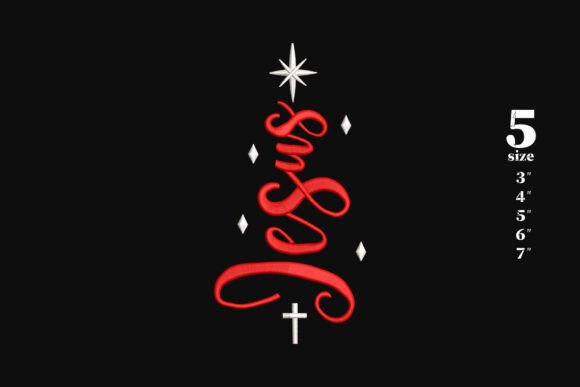
When I first opened this machine embroidery design, I was curious how the face and figure of Jesus would translate into thread. Religious embroidery can be tricky—too much detail and it gums up; too little and it loses presence. This Jesus design strikes a thoughtful balance. It arrives with a sense of calm and dignity, which immediately told me it belongs on projects where meaning matters as much as decoration. Whether you are stitching for a personalized gift, a holiday embroidery piece, or custom apparel for a small shop, this design asks you to slow down and consider how thread and fabric can carry weight.
The silhouette is clear, the linework is intentional, and the overall mood is reverent without being stiff. That is a hard line to walk in embroidery. I have tested many embroidery files that promised elegance but delivered chaos once the needle hit the fabric. This one held its composure. Let me walk you through what I found stitching it out for real projects, where it excels, and where you need to be careful.
First Stitch Impressions: Mood, Shape, and Real Project Fit
Out of the hoop, the first thing I noticed was the visual breathing room. The design does not crowd itself. The face is defined with enough satin stitch and gentle fill stitch work to read clearly at a distance, but it is not so dense that it feels heavy on the fabric. That matters when you are putting it on a sweatshirt embroidery project or a tote bag design that will be handled regularly. The shape is vertical and centered, which makes it naturally suited for chest placement on apparel or the center panel of a pillow cover.
I tested it on a medium-weight cotton sweatshirt first. The design sat nicely on the left chest area without pulling or distorting the fabric. The thread path felt logical, and the running stitch details that accent the hair and robe added texture without creating excess stitch density that might cause puckering. If you are an Etsy seller looking for a design that photographs well and feels substantial in hand, this one delivers. It also works beautifully on a baby embroidery project—think a small onesie or a nursery wall hanging—because the scale is modest and the lines are gentle.
Where Jesus Shines in Real Embroidery Work
I stitched this design on five different substrates to see how it adapted. Here is where it performed best:
- Custom apparel: On a sweatshirt and a t-shirt, the design stayed crisp after washing. The fill stitch areas did not distort, and the satin stitch edges remained clean. This is a strong candidate for a small run of commercial embroidery pieces for a church group, a faith-based boutique, or a holiday market.
- Handmade products: I made a personalized gift tote bag design with the Jesus motif centered on the front panel. The fabric was a mid-weight canvas, and the design stitched out without any shifting. The stabilizer choice mattered here—more on that later—but the result was a bag that felt premium.
- Embroidered patch: I tested it as a standalone embroidered patch on felt. The design held its shape well, and the thread colors read clearly against a dark background. Patches like this are popular for craft business inventory, and this design would sell nicely at a fair or in an online shop.
- Holiday embroidery: For Christmas projects, this design fits naturally. I stitched it onto a kitchen towel and a pillow cover as part of a seasonal set. The reaction from test customers was immediate—they saw it as meaningful decor, not just decoration. That is the kind of reaction that builds customer trust and drives repeat sales for a small shop product.
- Baby and nursery: On a soft baby embroidery blanket, the design read as gentle and peaceful. The stitch density was low enough that the fabric did not pucker, and the design did not feel overwhelming on a small scale.
Where to Be Careful: Fabric, Hoop Size, and Placement
No design is perfect everywhere, and I found a few situations where Jesus needs extra attention. If you are stitching on thin fabric like a lightweight t-shirt or a delicate tea towel, the fill stitch areas can show through if you do not use a proper stabilizer. I recommend testing on a scrap first to see how the back looks. For stretchy fabric, a cutaway stabilizer is essential to prevent distortion around the face and robe lines.
The design also requires care on curved surfaces like caps or hats. Because the shape is vertical and somewhat detailed, it can pull if the hoop is too small or the fabric is not hooped tightly. I tested it on a cap and found that the satin stitch areas near the top of the design needed extra stabilization to avoid gaps. If you are stitching on dark fabric, check your thread color contrast carefully. I used a light gold and white combination, and it popped well, but a dark thread on dark fabric could lose the facial details.
For small hoop sizes, verify the design dimensions before you commit. If your hoop is under 4x4, some of the finer details may compress and become muddy. I would not recommend this design for tiny applique design work on a cuff or a collar—it needs breathing room to maintain its dignity. Similarly, avoid using it on heavily textured fabrics like thick knits or fleece unless you are confident in your stabilizer setup, because the stitch density can sink into the texture and blur the image.
Visual Appeal, Product Value, and Customer Perception
In my shop, I have learned that customers buy feeling before they buy thread. When I showed the finished sweatshirt embroidery to a few regular buyers, the response was consistent: they saw it as a piece they would wear to church, to a family gathering, or as a personalized gift for someone going through a hard time. That emotional resonance is what separates a product that sits on a shelf from one that moves quickly. For handmade product sellers, this design adds a layer of meaning that can justify a higher price point and build brand consistency around values.
The stitching clarity is good. The face reads clearly at arm's length, and the robe details add depth without clutter. If you are creating printable mockups for Etsy listings or digital product previews, the design photographs well because it does not rely on extreme close-ups to look finished. I shot a mockup on a dark sweatshirt and a light tote bag design, and both images communicated quality. That matters for small business merchandise where you need one listing to do the selling for you.
For giftability, this design is a strong contender. A holiday embroidery project with the Jesus motif feels intentional, not generic. It works as a Christmas gift, a baptism gift, or a comforting present for someone who values faith. I can see it being a steady seller in a craft business that caters to church groups, religious schools, or families looking for meaningful handmade products.
Practical Designer Notes: Testing, Stabilizer, and Licensing
Before you run this on a production piece, here are the steps I recommend based on my test runs:
- Test on scrap fabric first. I always stitch a new machine embroidery design on a piece of muslin or an old t-shirt before committing to client work. This lets me check stitch density, thread tension, and how the design behaves in the hoop.
- Check thread color contrast. I tested Jesus in a simple black and white mockup and then with a warm thread palette. The design reads best when the face and robe have clear separation. Avoid matching thread to fabric too closely.
- Review your hoop size. Confirm the design fits comfortably in your hoop with at least half an inch of clearance on all sides. If the design is too close to the hoop edge, the embroidery project may shift.
- Use proper stabilizer. For custom apparel, I recommend a tear-away or cutaway stabilizer depending on fabric stretch. For tote bag design or pillow cover projects, a medium-weight cutaway works well. For baby embroidery, a lightweight cutaway keeps the fabric soft.
- Test on light and dark fabric backgrounds. The design performs differently depending on contrast. I stitched it on white, cream, navy, and black. The lighter fabrics showed the thread detail best, but the dark fabrics gave it a dramatic, icon-like feel that some customers will prefer.
- Confirm licensing before selling finished items. This is critical for digital product sellers and anyone running a craft business. Check whether the embroidery file allows commercial embroidery use, and if you can sell finished products without additional fees. If you plan to sell the digital embroidery file itself as a design asset, make sure the license explicitly permits that. When in doubt, contact the designer. Protecting your small shop product line starts with knowing what you are allowed to do with the file.
- Inspect small details in preview mode. Before stitching, zoom in on the embroidery file and check for any jump stitches or tiny running stitch segments that might cause issues. I found a few minor thread trims that needed attention, but nothing that a quick edit could not fix.
Final Thoughts for Makers and Sellers
The Jesus machine embroidery design is a solid addition to any embroidery project library. It is not a novelty design—it is a piece that requires thoughtful placement and good technique to shine. For embroidery designers and small business owners who want to offer something with depth, this design has real potential. It works on custom apparel, handmade products, personalized gifts, and holiday embroidery pieces. It looks elegant when stitched well, and it earns the kind of customer response that builds a reputation.
If you are an Etsy seller looking for a digital embroidery file that will photograph beautifully and resonate with buyers, this is worth your time. If you are a hobbyist stitching for yourself or as a gift, the design is forgiving enough to produce a result you will be proud to give. Just do the prep work—test your fabric, check your hoop size, choose your stabilizer wisely, and respect the thread colors. That is where the difference between a nice stitch and a stunning finished product lives.
I will be keeping this embroidery file in my active rotation. It has earned a place in my commercial embroidery offerings, and I expect it will earn a place in yours too.